Oops!
Or, The Most Influential Person in Comics in the Past 35 Years

Another Sunday has come and gone, during which I was too involved in other things to get a Substack post out. I apologize for the break—I’m shooting for every Sunday so it’s a regular, predictable thing, like death and taxes. But sometimes my aim is off.
To make up for it, today I’m writing what might become a controversial post, if anyone reads it. I’m arguing that a feller named Jim Lee is the most influential person in comics since 1990—probably the most influential, in fact, since Neal Adams held that position in the 1970s.
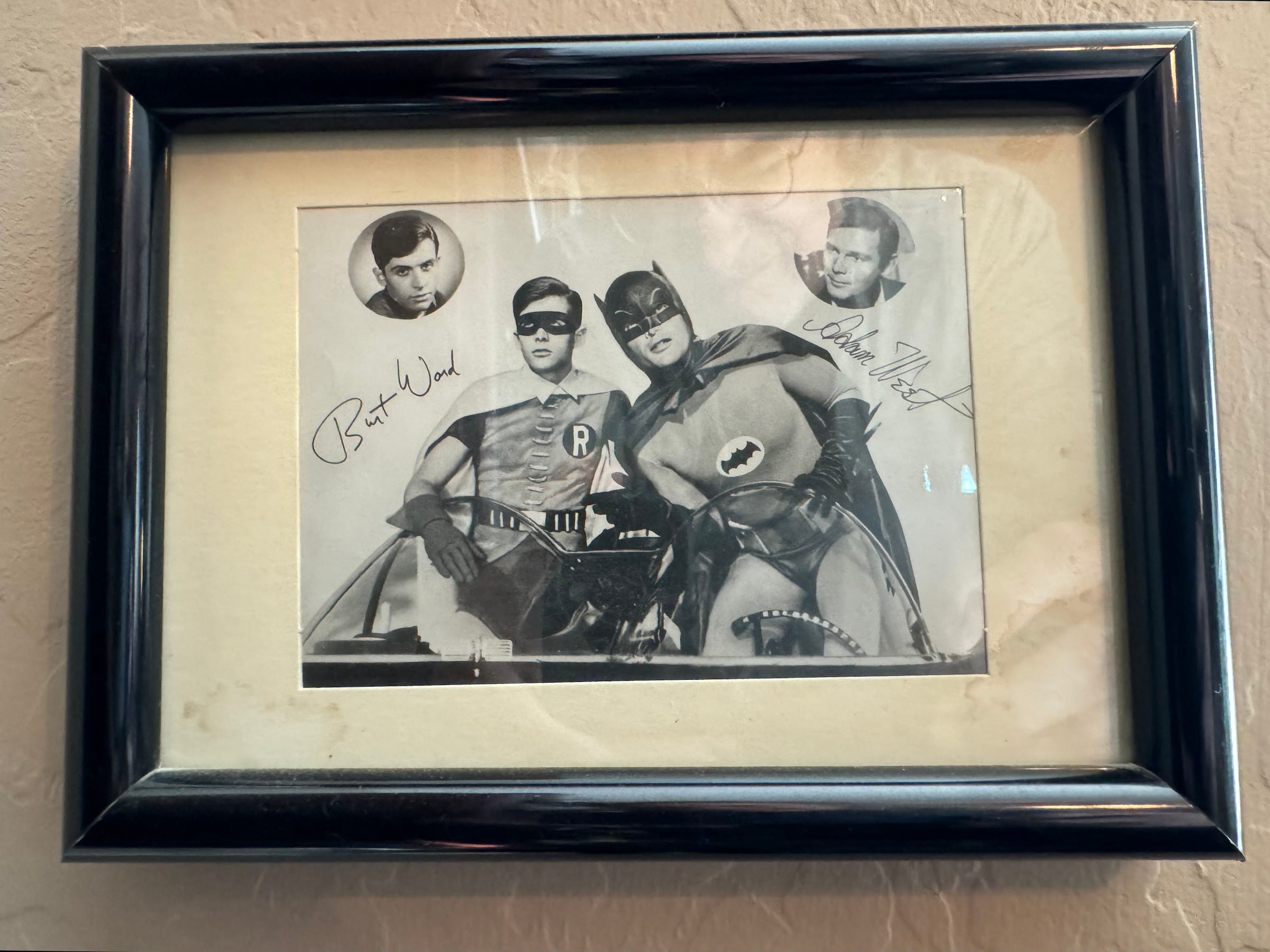
Let’s take a quick backwards look at Neal. He started at DC in the mid-to-late 1960s. His star rose fast, and his runs on Batman—undoing the shift in his character that had, up to then, echoed the approach taken by the 1966 TV series (which I love unreservedly—I still have this on my office wall) and Green Lantern/Green Arrow were groundbreaking.
Through the 70s he freelanced for both Marvel and DC, and his runs at Marvel on Uncanny X-Men and The Avengers were equally important. In 1971 he and Dick Giordano founded Continuity Associates, a studio where they worked with and launched the careers of many of the artists who made waves through the 70s and 80s, including folks like Howard Chaykin, Walt Simonson, Terry Austin, Denys Cowan, Jim Starlin, Val Mayerik, Carl Potts*, Marshall Rogers, Bob Layton, Larry Hama, and more.
[* Remember that name.]
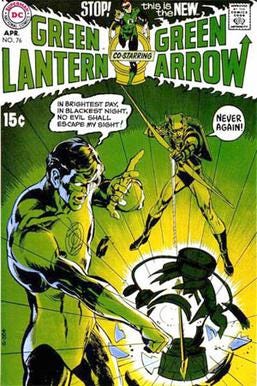
The Green Lantern/Green Arrow series Neal drew, written by the great Dennis O’Neil, became groundbreaking in another way—it dealt with real-world issues of poverty, racism, drug addiction, and more, breaking with the long mainstream practice of telling fantastic stories that didn’t address the daily lives of their readers.
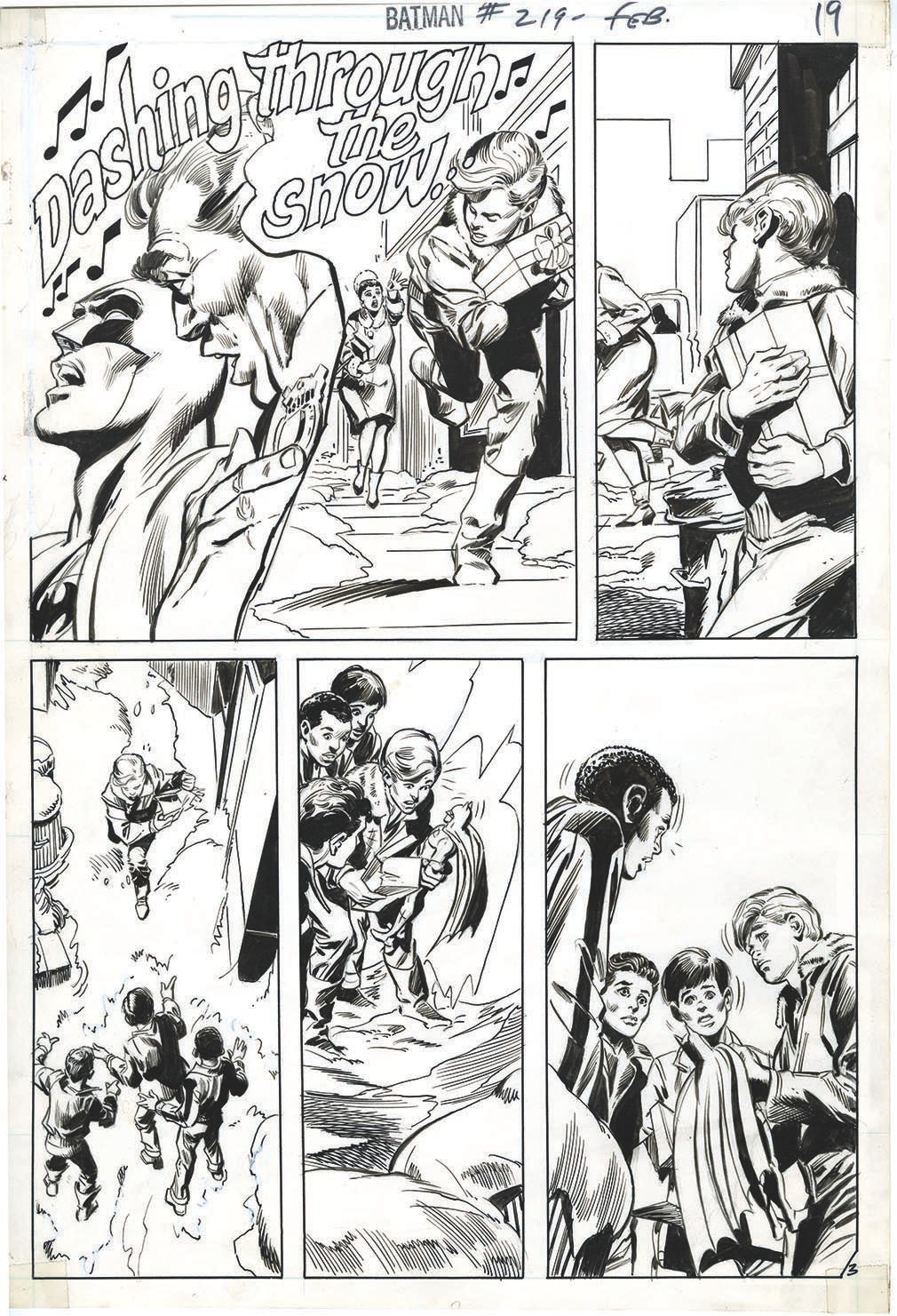
One way in which Neal was influential was in his style, which was realistic and fresh. Like his contemporary Jim Steranko, Neal didn’t see the page as a series of square or rectangular boxes. He played with page layout, with panel size and design, even with sound effects, to create an experience that was unusual in the comics of the day. After the impact Neal’s art made, variations on his approach became the unofficial “house style” at DC, and the more someone’s art looked like Neal’s the better.
Off the page, Neal agitated for creators’ rights. Largely through his efforts, the publishers came around to agreeing that although they owned the intellectual property, the artists themselves should own their own pieces of original art. That art could be sold to supplement an artist’s income, rather than being kept in file drawers at the publisher’s headquarters.
Between creators’ rights, the impact of Continuity’s creative community, and his own advances in style and technique, Neal was ultimately the most influential person in the biz. Jack Kirby came close—his work influenced many artists, but nobody could meld his style with their own as successfully as people did with Neal. Stan Lee was an ambassador for comics, one whose name everybody knew, but much of his creative output was really done by the artists he worked with.
Which brings us to Jim Lee (whose style took inspiration from both Neal and Jack—his layouts are dynamic, his page and panel design creative, his visual impact outstanding, and the detail he brings to the page matches Neal’s dedication to realism).
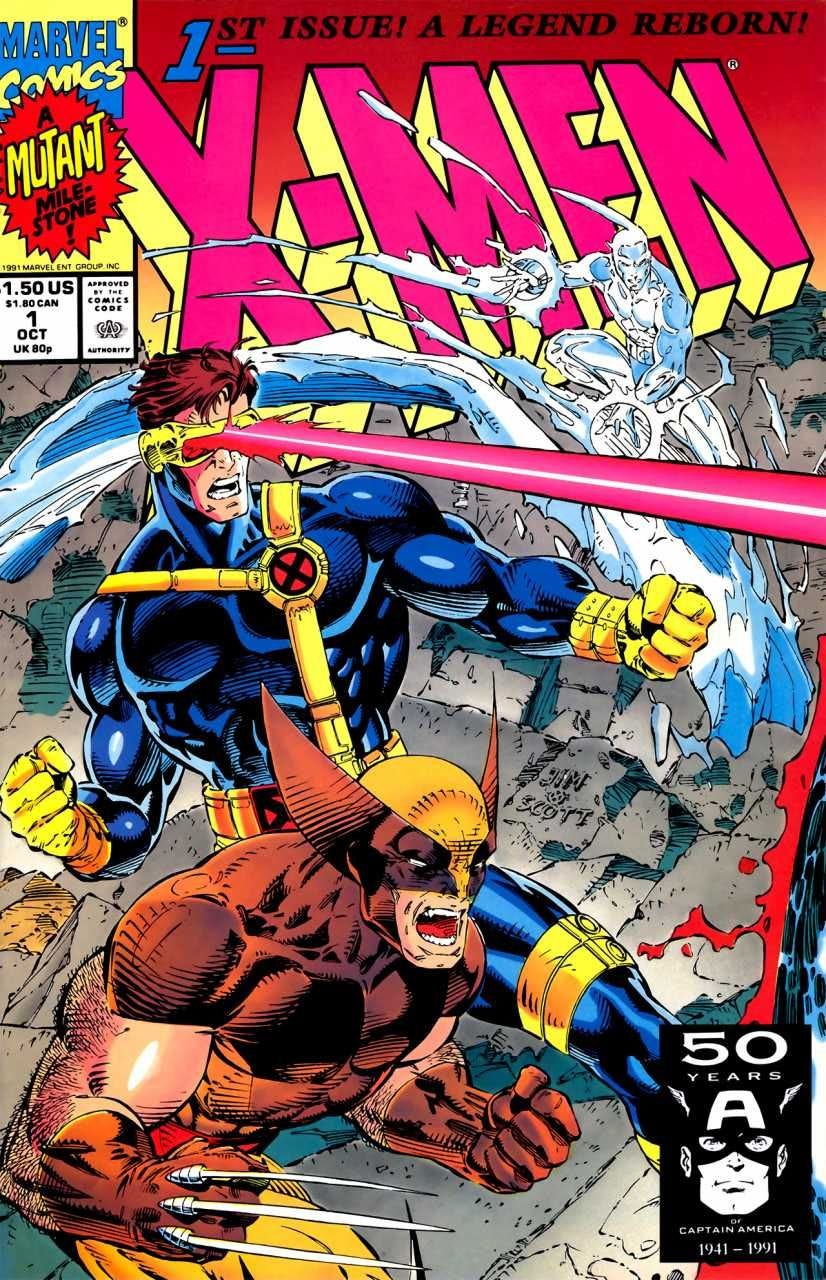
Jim started at Marvel, where he was first given work by editor Carl Potts (*told you!). His work improved quickly and he developed a substantial following on Uncanny X-Men (the same title Neal had worked on at Marvel). His popularity grew to the point that when he and writer Chris Claremont launched a new title, called simply X-Men, it became the best-selling American comic book of all time, with 8.1 million copies sold. (Jim’s royalties on that one allowed him to move out of the apartment he and his wife Angie rented in Pacific Beach and buy a mansion on Mount Soledad in La Jolla—where Angie worked with me at Hunter’s Books.)
In 1992—in the next most important move for creators’ rights since Neal’s campaign—Jim, along with Whilce Portacio, Marc Silvestri, Jim Valentino, Erik Larsen, Todd McFarlane, and Rob Liefeld broke from Marvel to form Image Comics, a publisher dedicated to the idea that each creator should own his or her intellectual properties.
Jim Lee, Marc, and Whilce formed Homage Studios, which is where I entered the picture. Eventually Marc moved his branch of Homage, called Top Cow, out of the studio, and Whilce (who was never a full partner at Image) ultimately formed a studio in the Philippines. But Jim stayed put, and his WildStorm Productions grew in sales and influence. The top comics artists of the 90s were Wildstorm guys who worked in-house—people like J. Scott Campbell, Brett Booth, Scott Clark, Travis Charest, etc. Like Neal at Continuity, Jim recruited promising talent and put them on books that became popular, launching their successful careers. And even the artists in the 90s who weren’t at WildStorm started drawing like the WildStorm guys. Again, like Neal, variations on Jim’s style became the overall look of mainstream comics.
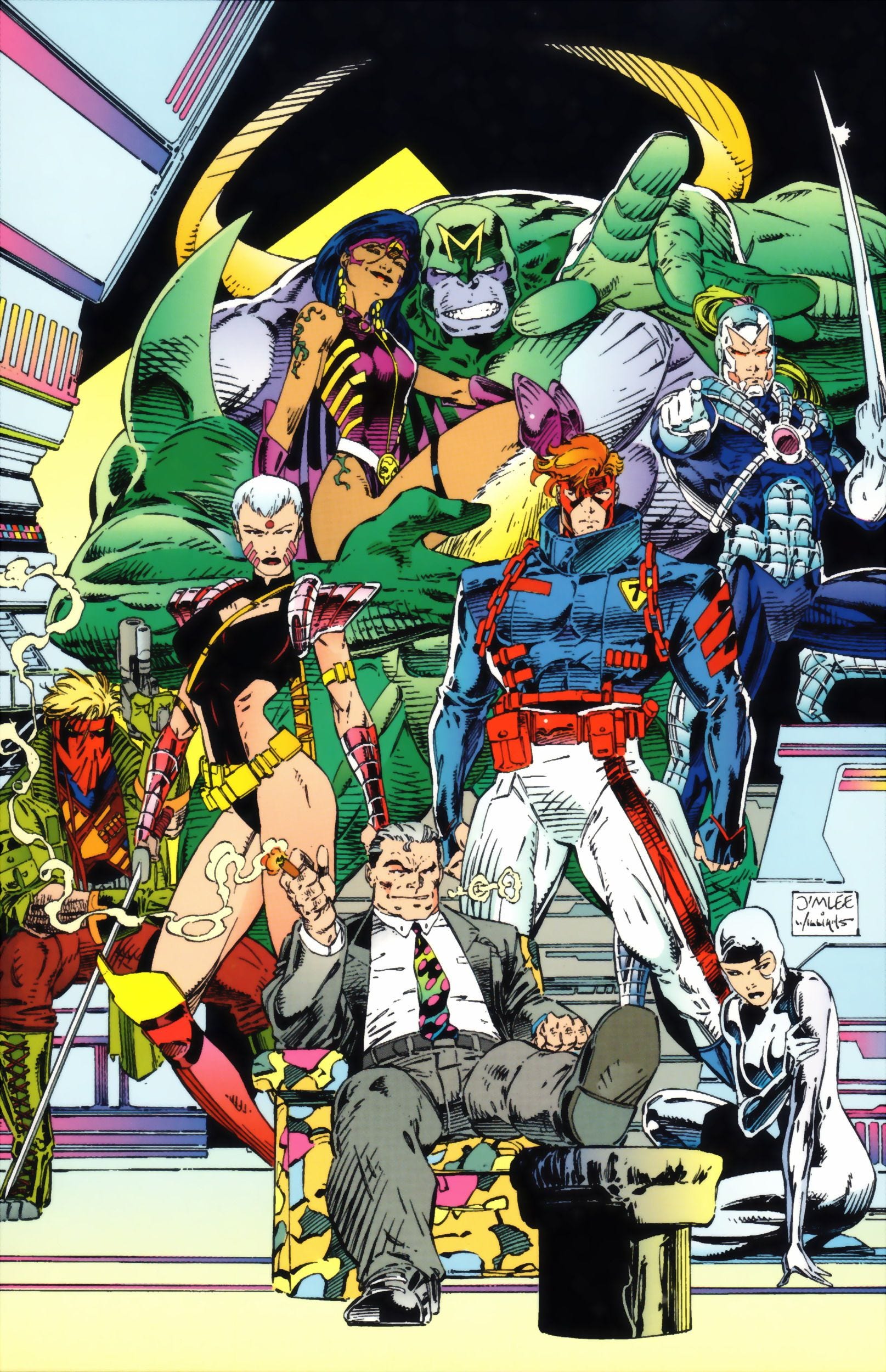
Eventually, Jim sold the company to DC Comics, where he became a co-publisher, creative director, and eventually president. And he’s still drawing comics, too.
As if those positions weren’t influential enough, though, to truly gauge Jim’s influence you have to look at WildStorm’s hires. John Nee was with Jim almost from the beginning. As president of WildStorm Productions, he made the business run, while at the same time making deals for both incoming and outgoing licensing. He knew everybody and saw opportunities where nobody else did. He pioneered printing innovations. And after the sale to DC, he became a senior VP at DC, then the publisher at Marvel Comics, the CEO at Cryptozoic Entertainment, which published trading cards and games, a founder of CCG Labs, and the founder of Pan-Universal Galactic Worldwide Limited (PUG Worldwide).
So the ongoing impact of Jim and John has been tremendous. But it doesn’t stop there. IDW Publishing—now the fifth largest publisher in the business, was started by four WildStorm guys who left after the DC purchase, Ted Adams, Robbie Robbins, Kris Oprisko, and Alex Garner. Its first editor-in-chief was another WildStorm guy, me.
Eventually, Ted and Robbie co-founded Clover Press.
Over at Mad Cave, the president of the company is Mark Irwin, another WildStorm guy.
WildStorm alumni still work in prominent positions at DC. There are probably some at Marvel and other publishers who I’m just not thinking of right now.
So, like Neal, Jim was an advocate for creators’ rights, and the success of Image Comics spawned dozens of other independent publishers, breaking the Big Two’s stranglehold on the industry. Like Neal, Jim ran a studio that produced many of the most popular artist of the 90s and beyond. And like Neal, Jim’s art style influenced vast numbers of the artists who followed him into the business. And his studio generated many of the people who still make comics today.
Has anyone else had that kind of impact on the industry since Neal Adams? I don’t think anyone else comes close.